
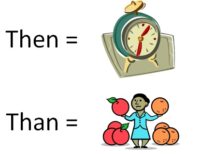
I’ve done quite a few double-takes in reading the past few months over two words that sound similar, look similar, yet have quite different meanings: than and then. Than is used for comparisons; then is used for sequences in time. For example, which term is correct in each of the following? I have a
Articles

You work hard toward your writing and business goals. You spend time on the big picture and getting daily tasks done. You make strides, you celebrate milestones, and you continue working and building your dream. But there are hiccups and stumbles along the way. And sometimes, whether it’s a bad day, a tough client, a
Toastmasters Toastmasters International is a non-profit educational organization that teaches public speaking and leadership skills through a worldwide network of clubs
Website hosting: Esosoft My website manager recommended this host provider to me and I’m so glad she did! They are super responsive to any issue that arises (which are few and far between), quite knowledgeable, and affordable. Five-star service.
Merrimack Valley SCORE Great organization for finding a mentor and general help getting a small business started. This is specific to my area, but there are SCORE locations nationwide. Find a location
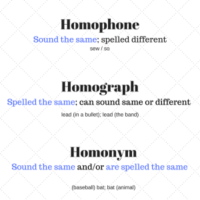
As I’ve been writing lately, my fingers have been coming up with their own spellings of words that pass spellcheck but aren’t correct. And, voila, today’s post was born! What are the words called that are spelled the same but sound different? How about the words that sound the same but are spelled different? What
Today is for those times when you’re not quite sure if you want to use ‘proved’ or ‘proven.’ Both prove and proven are formed from the verb prove. Here are the usage variations: Present tense: prove Simple past tense: proved Past participle: proved Irregular past participle: proven Correct usage examples: He has proven his case. He proved his case. She proved he

(This is an edited transcript from a live chat with Shelley Armitage at The Writer’s Chatroom on Jan 22, 2017.) Moderator Lisa Haselton (aka Lisa J Jackson): Welcome to The Writer’s Chatroom. Our mission is to present fun and educational chats for readers and writers. Let me introduce our guest, Shelley Armitage, author of the memoir, Walking the
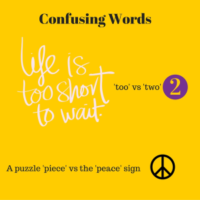
In my editing endeavors recently, I’ve encountered a lot of words that spellcheck doesn’t always catch and so it prompted me to share a few of them with you. Passed (verb) vs Past (preposition or adverb): The time has passed for you to submit the rebuttal. That event happened in the past. I passed by
If a word already ends in an s, do you add another s to make it possessive? Or can you simply add an apostrophe? Let’s look into the case of plural possessives today. To start, know that you want to use an apostrophe to show that a thing or person belongs to or relates to someone